

A PUWER audit helps you confirm that all work equipment in your business is safe, suitable, and properly maintained. Many organisations rely on day to day checks but lack a structured audit process. When you carry out a clear and consistent PUWER audit, you identify risks early and strengthen your overall compliance.
What Is a PUWER Audit?
A PUWER audit is a structured review of all work equipment and how it is used within your organisation. It focuses on whether equipment meets legal requirements and whether safe systems are in place.
A thorough audit reviews:
• Equipment condition and suitability
• Maintenance and inspection records
• Safety features such as guards and emergency stops
• Operator training and competence
• Documentation and risk assessments
Step 1: Identify All Work Equipment
Start by building or reviewing your equipment register. PUWER applies to a wide range of items, from simple tools to complex machinery.
Make sure you include:
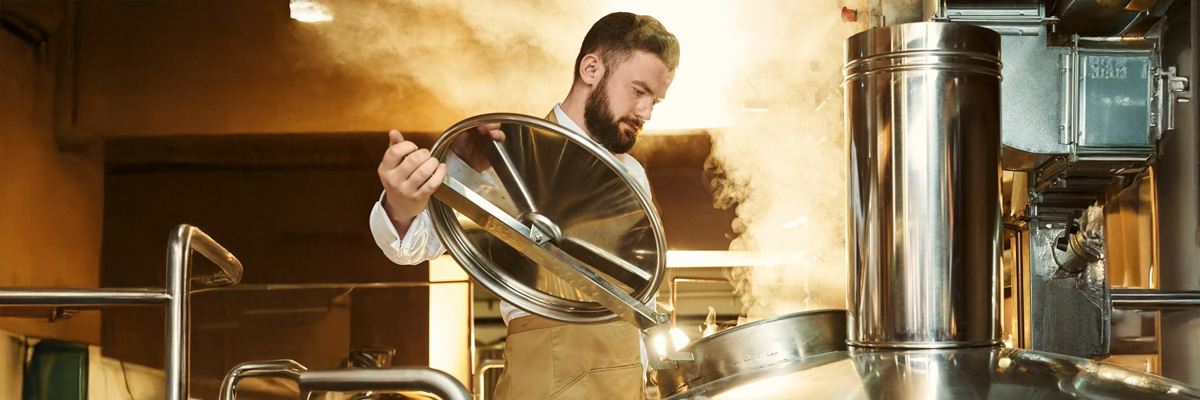
• Fixed machinery and production equipment
• Portable tools and handheld devices
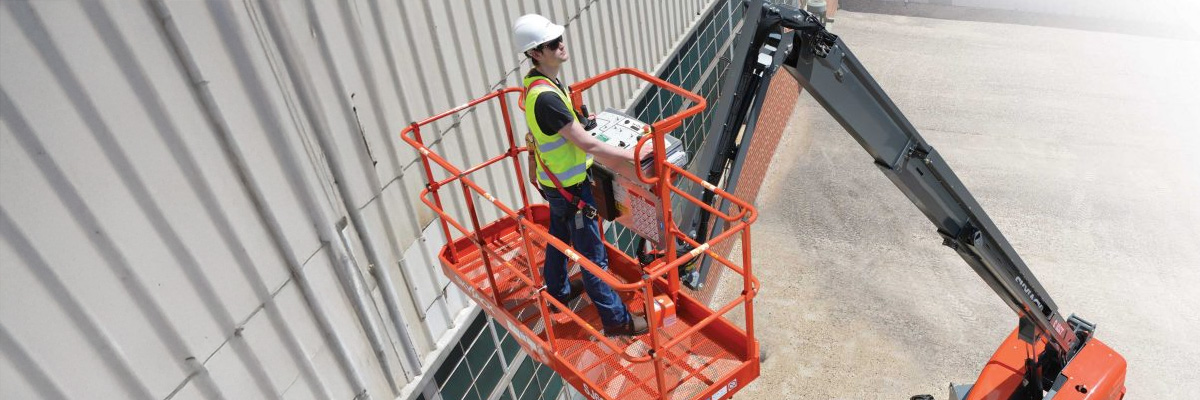
• Access equipment such as ladders
• Vehicles and handling equipment used at work
• Office equipment where relevant
If employees use it for work, include it in your audit scope.
Step 2: Check Equipment Suitability
Each item must be suitable for its intended use and working environment.
Ask:
• Is the equipment appropriate for the task?
• Is it being used within its design limits?
• Is it suitable for the environment, such as wet, dusty, or hazardous areas?
Unsuitable equipment increases the risk of failure and injury.
Step 3: Review Maintenance and Inspection Records
PUWER requires equipment to be maintained in a safe condition.
Check that:
• Maintenance schedules are in place and followed
• Inspection records are up to date
• Repairs are completed and documented
• Any defects have been addressed
Missing or incomplete records can indicate gaps in your process.
Step 4: Inspect Safety Features and Controls
Examine each piece of equipment for safety measures.
Focus on:
• Guards and protective devices
• Emergency stop functions
• Warning signs and labels
• Isolation and lock off controls
Safety features must be present, functional, and not bypassed.
Step 5: Assess Training and Competence
Even safe equipment becomes dangerous if used incorrectly.
Confirm that:
• Operators have received appropriate training
• Refresher training is carried out where needed
• Supervisors understand safe operating procedures
• Records of training are maintained
Step 6: Review Risk Assessments
PUWER links closely with risk assessments.
Ensure that:
• Equipment specific risks are identified
• Control measures are in place and followed
• Assessments are reviewed regularly
• Changes in equipment or use are reflected
Step 7: Record Findings and Take Action
Document your audit clearly.
For each issue:
• Record the finding
• Assess the level of risk
• Assign responsibility for corrective action
• Set a realistic deadline
• Track completion
This creates accountability and ensures issues are resolved.
Step 8: Schedule Regular Audits
PUWER audits should not be a one off activity.
You should:
• Carry out audits at regular intervals
• Review high risk areas more frequently
• Re audit after major changes or incidents
Why PUWER Audits Matter
A structured PUWER audit helps you stay in control of your equipment and compliance. It reduces the likelihood of accidents, supports legal requirements, and improves operational reliability.
When you build auditing into your routine, you move from reactive fixes to proactive safety management.