

In many workplaces, lifting equipment is modified to improve performance, adapt to specific tasks, or extend operational life. While these changes can offer practical benefits, they can also introduce new safety risks — and significantly affect compliance with the Lifting Operations and Lifting Equipment Regulations 1998 (LOLER).
This article explains how equipment modifications can impact LOLER requirements, what duty holders need to consider, and how to ensure that lifting operations remain safe and legally compliant after any changes.
What Counts as a Modification?
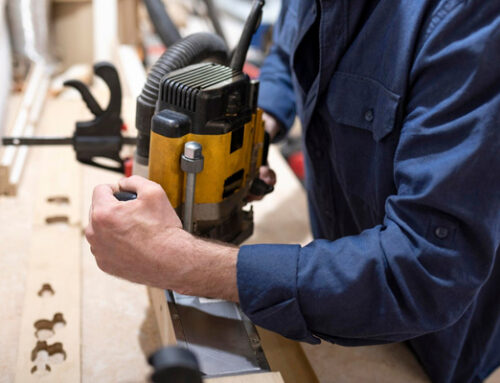
A modification is any change to the original design or operation of lifting equipment that could affect its integrity, performance, or safety. Examples include:
-
Adding new attachments or components
-
Welding, cutting, or machining parts
-
Changing the control systems or software
-
Altering the load capacity or lifting height
-
Retrofitting safety features or sensors
-
Customising for specific loads or handling tasks
Even seemingly minor changes can affect the way the equipment behaves under load — and may invalidate previous certifications or inspection reports.
Your Legal Duties Under LOLER
LOLER requires that all lifting equipment is:
-
Safe for use
-
Thoroughly examined by a competent person
-
Used within its rated capacity
-
Maintained in a safe condition
When equipment is modified, you must reassess its compliance. Regulation 9 of LOLER specifically states that equipment must be examined after exceptional circumstances — and a significant modification qualifies as such.
Key Considerations After Modification
1. Re-Examination by a Competent Person
Any modification should trigger a thorough examination to:
-
Check for structural integrity
-
Confirm that safety systems are still effective
-
Assess whether the equipment remains suitable for its intended use
-
Determine if the safe working load (SWL) has changed
Only a competent person — with the knowledge and experience to understand the implications of the modification — should carry out this assessment.
2. Update Documentation
You may need to update:
-
The lifting equipment register
-
The last LOLER examination report
-
Operating instructions and training materials
-
Risk assessments or lift plans
Failure to update records could lead to confusion, misuse, or legal exposure in the event of an incident.
3. Inform and Train Operators
If the modification affects how the equipment is used or controlled, operators must be informed and trained on:
-
New operating procedures
-
Any changes to load limits or attachment points
-
Revised emergency stop or safety features
Operator awareness is essential to maintaining safe lifting operations.
4. Consult the Manufacturer or Supplier
If you’re unsure whether a planned modification is safe or permitted, consult the original manufacturer or a qualified engineer. Some modifications may void warranties or require re-certification under additional standards.
Common Mistakes to Avoid
-
Assuming a modified item is compliant because it “works fine”
-
Making undocumented changes to critical components
-
Failing to carry out a re-examination after a modification
-
Overlooking the need to re-train staff
-
Ignoring the effect on attachments or accessories
These oversights can lead to non-compliance, accidents, or enforcement action.
Final Thoughts
Modifying lifting equipment can offer useful flexibility — but it must be done responsibly. Any change that could affect safety must be followed by a thorough LOLER examination, documentation updates, and proper training. Taking these steps ensures continued compliance and helps protect both people and operations.
At SIS Ltd, our competent engineer surveyors carry out LOLER examinations before and after equipment modifications. If you’ve recently adapted your lifting equipment or plan to make changes, we can advise on the best route to safe and compliant operations.