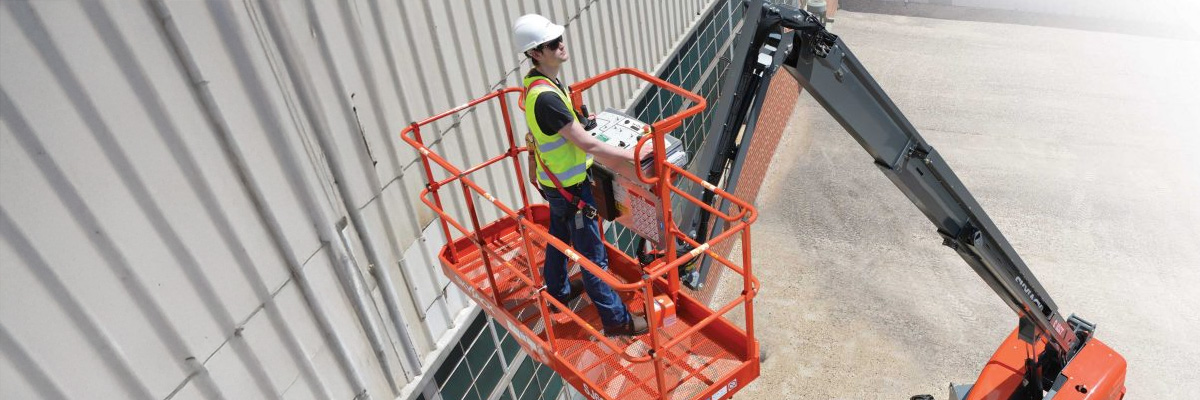


Lifting equipment that comes in on hire or lease still falls under LOLER when you use it for work. Ownership does not determine compliance. Control does. If your team uses lifting equipment on your site, you must ensure it is safe, suitable, and covered by a valid thorough examination.
Does LOLER Apply to Hired Lifting Equipment?
Yes. LOLER applies to hired lifting equipment used at work. If you hire equipment without an operator, your business usually takes responsibility for safe use and for confirming that a valid Report of Thorough Examination is in place.
Before you accept hired lifting equipment on site, make sure you have:
• A current Report of Thorough Examination for the specific item
• Safe Working Load markings that match your intended lift
• Clear identification such as serial number or asset ID
• Evidence that any recorded defects have been rectified
• The correct lifting accessories for the task
• Competent and trained personnel to plan and carry out the lift
Hired With Operator vs Hired Without Operator
If the hire company supplies an operator, they often manage maintenance and examination. You still hold duties for safe lifting operations on your premises, including:
• Providing suitable ground conditions
• Setting exclusion zones and traffic management controls
• Ensuring lifts are properly planned and supervised
• Keeping operations within Safe Working Load limits
If you hire without an operator, you must integrate that equipment into your own inspection and compliance systems.
What About Leased or Long Term Equipment?
Long term lease arrangements often place LOLER responsibilities on the user. In many cases, your business becomes the duty holder for arranging thorough examinations at the required intervals, commonly every six or twelve months depending on equipment type and use.
Why LOLER Compliance Matters
If an incident occurs, investigators will review whether you verified certification, acted on defects, and planned lifting operations correctly. Insurers frequently request statutory inspection records when assessing claims. Clear, up to date documentation protects your position.