
If your business owns or operates lifting equipment, pressure systems, or machinery used at work, you’ll likely fall under one or more statutory inspection requirements — including LOLER, PUWER, PSSR, or COSHH. Whether prompted by a new installation, insurance requirement, or internal safety review, your first statutory inspection can feel like a big step.
This article explains what to expect before, during, and after the visit so you can prepare with confidence and meet your legal obligations.
Which Inspection Do You Need?
Before your first visit, it’s important to know which regulations apply:
-
LOLER: Lifting Operations and Lifting Equipment Regulations
Covers lifting equipment and accessories (e.g. forklifts, hoists, cranes, slings) -
PUWER: Provision and Use of Work Equipment Regulations
Covers all work equipment (e.g. machinery, tools, conveyor systems) -
PSSR: Pressure Systems Safety Regulations
Applies to pressure vessels and compressed air systems (e.g. steam boilers, air receivers) -
COSHH: Control of Substances Hazardous to Health
Covers hazardous substances used or produced at work (e.g. chemicals, dust, vapours)
Understanding which inspection(s) apply helps you schedule the correct service and avoid missing essential checks.
Before the Inspection
Preparation is key to a smooth and productive visit. You should:
-
Know what equipment is being inspected: Create an up-to-date list including make, model, serial numbers, and locations.
-
Gather documentation: This may include maintenance records, operator training certificates, user manuals, or safety data sheets.
-
Ensure equipment is accessible: Clear access is needed for safe examination — remove obstacles and inform staff of the inspection date.
-
Isolate equipment if required: Some inspections require systems to be depressurised or locked out for safety.
If you’re unsure what’s required, your inspection provider should guide you in advance.
During the Inspection
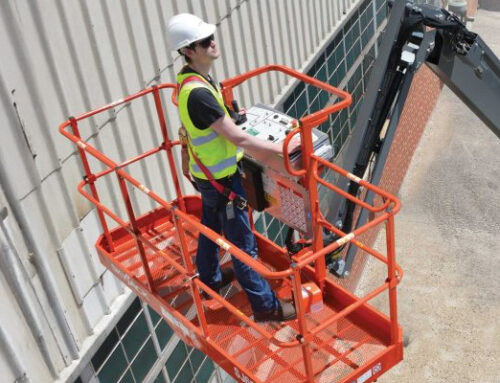
The inspection will be carried out by a competent person — an engineer surveyor with the qualifications and experience to assess the equipment’s safety and compliance.
They will typically:
-
Conduct a visual and functional inspection of the equipment
-
Review safety features such as guards, limit switches, warning signs, or emergency stops
-
Check for visible wear, damage, or deterioration
-
Where required, carry out non-destructive testing (NDT) for hidden faults
-
Assess operator documentation, markings, and control systems
-
Review maintenance history and inspection intervals
The surveyor may ask questions or request documentation during the visit. It’s helpful to have a manager or responsible person available to support the process.
After the Inspection
You’ll receive a formal report of the findings. This will include:
-
Details of the equipment inspected
-
Date of the examination and next due date
-
Observations and comments
-
Any defects found, categorised by severity
-
Recommendations for corrective actions
If a defect poses an immediate risk, the equipment may need to be removed from service until repairs are completed and re-inspected. Minor issues may be allowed to continue in use under monitored conditions.
The report should be:
-
Stored securely for future reference (LOLER and PSSR reports must be kept for at least two years)
-
Shared with insurers, if requested
-
Used to inform your maintenance or safety procedures
Common First-Time Questions
Do I need to fix defects immediately?
Only if the report classifies the defect as a serious or dangerous condition. Your inspection provider will make this clear in the report.
What if we don’t have maintenance records yet?
It’s best to start keeping them now. Future inspections will expect to see a record of servicing and repairs.
How often do we need inspections?
This depends on the type of equipment. For example:
-
Lifting accessories: every 6 months
-
Lifting equipment: every 12 months (unless used for lifting people)
-
Pressure systems: as defined in the Written Scheme of Examination
-
Work equipment: as often as required based on risk and usage
Final Thoughts
Your first statutory inspection is the beginning of an ongoing process to keep your people safe, your equipment reliable, and your business compliant. With the right preparation, it can be straightforward and informative — helping you identify risks early and build a stronger safety culture.
At SIS Ltd, we guide businesses through every stage of the inspection process — from initial assessments to long-term compliance support. If you’re booking your first inspection, our team is here to help you start strong.