

Staying compliant with statutory inspection regulations like LOLER, PUWER, and PSSR requires more than just ticking a box once a year. Each regulation has its own inspection intervals, reporting requirements and safety obligations — and failing to keep up with them can result in legal penalties, equipment failure or serious accidents.
The best way to manage this is by creating a compliance schedule that clearly outlines what needs inspecting, when, and by whom. In this article, we explain how to build a practical and reliable schedule to keep your lifting, work, and pressure equipment compliant all year round.
Step 1: Identify All Relevant Equipment
Start by creating a comprehensive equipment register that includes:
-
Lifting equipment (covered by LOLER): e.g. forklifts, hoists, cranes, slings, lifting beams
-
Work equipment (covered by PUWER): e.g. conveyors, power tools, machinery, pallet wrappers
-
Pressure systems (covered by PSSR): e.g. steam boilers, air receivers, compressed air systems
Include key details for each item:
-
Unique ID or asset number
-
Make, model and serial number
-
Location
-
Date of installation or last inspection
-
Type of inspection required
-
Legal regulation it falls under
This register becomes the foundation of your compliance schedule.
Step 2: Understand the Required Inspection Intervals
Each regulation has specific timeframes for inspections:
LOLER (Lifting Operations and Lifting Equipment Regulations):
-
Lifting accessories (slings, chains, hooks): every 6 months
-
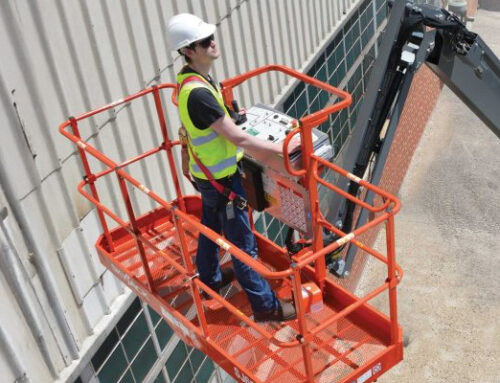
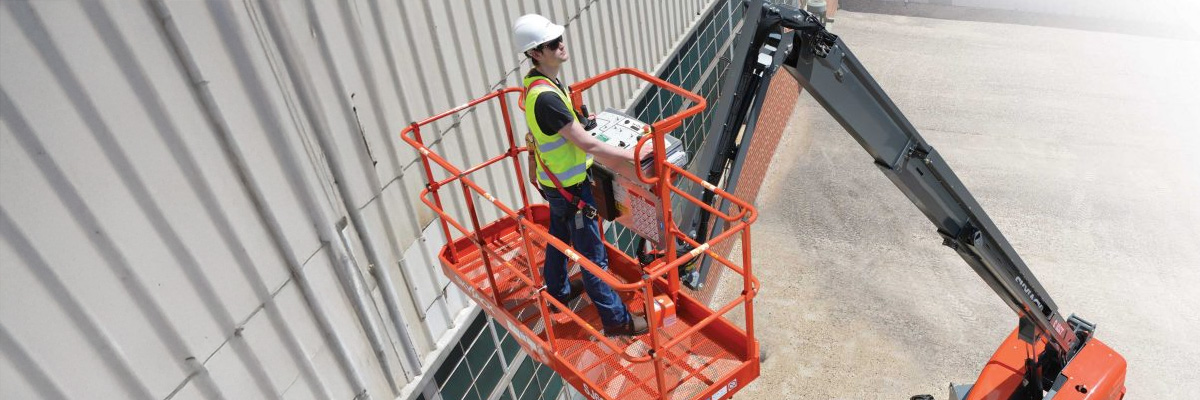
Equipment lifting people: every 6 months
-
Other lifting equipment: every 12 months
-
After installation, significant repair or relocation
PUWER (Provision and Use of Work Equipment Regulations):
-
No fixed frequency — inspections must be as often as necessary
-
Based on risk level, usage frequency, and environment
-
After installation or any significant modification
PSSR (Pressure Systems Safety Regulations):
-
Inspection intervals are defined in the Written Scheme of Examination (WSE)
-
Carried out by a competent person
-
Usually every 6–14 months, depending on the system
Map out these frequencies in a calendar format so you can plan ahead.
Step 3: Set Inspection Dates and Reminders
Use your equipment register to assign inspection dates:
-
Start with the next due date for each item
-
Schedule inspections with a buffer to allow time for follow-up or repairs
-
Use digital calendars, spreadsheets or maintenance software to track everything
-
Set automatic reminders for 30, 60 and 90 days before deadlines
Consistency is key — missed inspections not only risk compliance but can also lead to equipment downtime or invalidated insurance.
Step 4: Assign Responsibility
Make sure it’s clear who is responsible for each part of the process:
-
Who schedules the inspection with your provider?
-
Who prepares the equipment (e.g. isolation, access)?
-
Who follows up on defect reports and corrective actions?
-
Who stores and manages inspection documents?
Whether it’s your facilities manager, H&S officer or external maintenance contractor, assigning responsibility prevents tasks from falling through the cracks.
Step 5: Track Documentation and Reporting
After each inspection, make sure reports are:
-
Reviewed promptly — especially if any defects are noted
-
Filed securely and stored for the legally required period
-
LOLER and PSSR reports: minimum 2 years
-
-
Shared with insurers or auditors if requested
-
Used to update your compliance schedule and equipment register
If corrective actions are required, set deadlines and document their completion.
Step 6: Review and Improve Regularly
Review your schedule quarterly or after:
-
New equipment is installed
-
Work processes change
-
An incident or near-miss occurs
-
Feedback from inspection reports suggests gaps
Updating your schedule ensures it stays relevant as your business evolves.
Final Thoughts
A well-managed compliance schedule makes it easier to meet your legal duties, protect your people, and avoid business disruption. It also gives you confidence that inspections won’t be missed — and that every piece of lifting, work and pressure equipment is safe and compliant.
At SIS Ltd, we help businesses take the guesswork out of compliance by providing expert LOLER, PUWER and PSSR inspections, clear reporting, and practical support. If you’d like help building a tailored compliance schedule, our team is here to assist.