
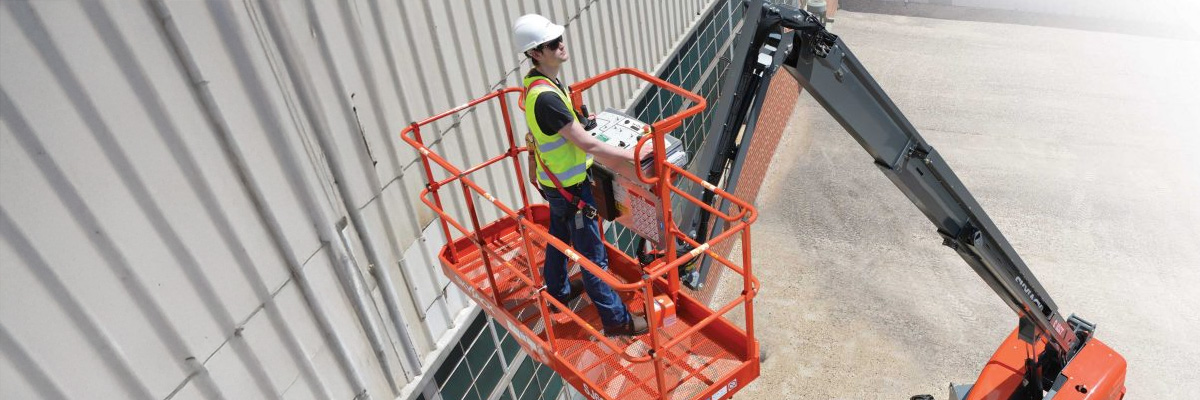
Mobile Elevating Work Platforms, known as MEWPs, and other access equipment play a vital role in working at height. They also fall under strict safety regulations. If your business uses this type of equipment, you must understand how LOLER applies and what responsibilities you hold.
What Is Classed as Access Equipment Under LOLER?
Access equipment includes machinery used to lift people or allow safe work at height. Common examples include:
• Mobile Elevating Work Platforms such as scissor lifts and boom lifts
• Cherry pickers and vehicle mounted platforms
• Mast climbing work platforms
• Suspended access platforms
Because these items lift people, they fall under LOLER and carry higher inspection requirements.
Does LOLER Apply to MEWPs?
Yes. MEWPs are classed as lifting equipment under LOLER because they raise people. This means they must undergo regular thorough examinations by a competent person.
In most cases, MEWPs require:
• A thorough examination every six months
• Additional examinations after exceptional circumstances such as damage or major repairs
• A valid Report of Thorough Examination before use
Key Responsibilities for Employers
If your business owns, hires, or controls MEWPs, you must ensure they are safe to use at all times.
Your responsibilities include:
• Ensuring the equipment is suitable for the task and working environment
• Confirming valid LOLER certification is in place
• Keeping records of all examinations and inspections
• Ensuring operators are trained and competent
• Carrying out pre-use checks before each shift
Safe Use of MEWPs on Site
LOLER focuses on lifting operations as well as equipment condition. You must ensure each use is properly managed.
You should:
• Plan work at height activities in advance
• Assess ground conditions and stability
• Set safe working limits and avoid overloading
• Establish exclusion zones where needed
• Monitor weather conditions, especially wind
Even with compliant equipment, poor planning can lead to serious incidents.
PUWER and MEWPs: What Else Applies?
MEWPs are also covered under PUWER. This means you must ensure:
• Controls and safety devices are functional
• Equipment is maintained properly
• Operators understand how to use the controls safely
• Risks are identified and controlled through assessment
LOLER and PUWER work together to ensure both the lifting function and overall equipment safety are addressed.
Common Risks with Access Equipment
Understanding common risks helps you manage them effectively.
Typical issues include:
• Overturning due to uneven or unstable ground
• Entrapment between the platform and structures
• Overloading beyond safe working limits
• Mechanical failure due to poor maintenance
• Use in unsafe weather conditions
Regular inspections and proper planning reduce these risks.
What Happens If You Do Not Comply?
Failure to comply with LOLER for MEWPs can result in:
• Enforcement action from regulators
• Equipment being taken out of service
• Fines and legal consequences
• Increased risk of injury or fatal incidents
Why LOLER Compliance for MEWPs Matters
Working at height remains one of the highest risk activities in many industries. MEWPs provide a safer alternative to ladders and scaffolding, but only when used correctly and maintained properly.
When you follow LOLER requirements, you protect your workforce, reduce downtime, and maintain safe and efficient operations.