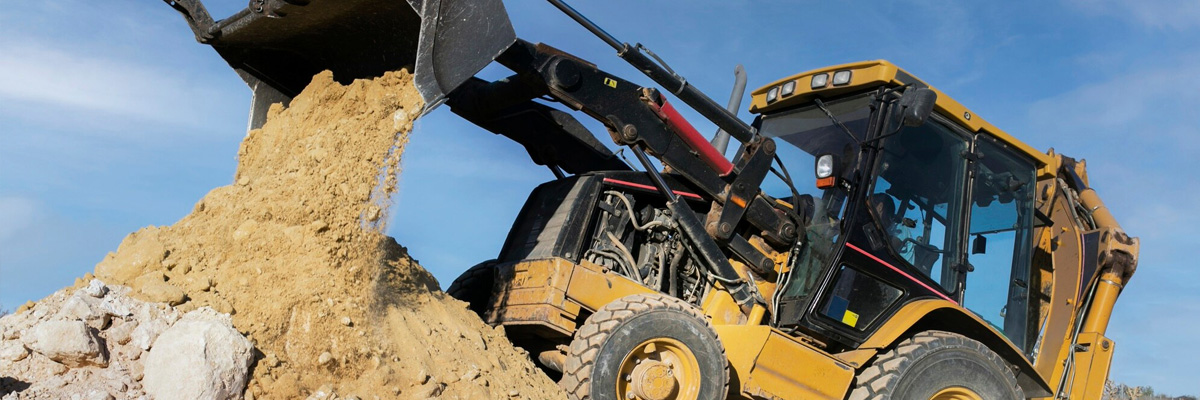


Bringing third party contractors onto your site introduces shared responsibilities under LOLER and PUWER. If roles are unclear, gaps in compliance can develop quickly. When you manage contractors properly, you reduce risk, maintain control, and protect everyone on site.
Who Is Responsible Under LOLER and PUWER?
Both the contractor and the client can hold responsibilities, depending on who controls the equipment and the work being carried out.
As the site owner or principal contractor, you are responsible for:
• Ensuring the working environment is safe
• Verifying that equipment used on your site meets legal requirements
• Coordinating activities to prevent risk to employees and others
Contractors are responsible for:
• Supplying safe and compliant equipment
• Ensuring their equipment has valid inspection records
• Using equipment correctly and within safe limits
• Providing competent operators
Clear communication is essential so both sides understand their duties.
What Checks Should You Carry Out Before Work Starts?
Before contractors begin work, you should verify that their equipment and processes meet LOLER and PUWER requirements.
Key checks include:
• Reviewing LOLER Reports of Thorough Examination for lifting equipment
• Checking PUWER compliance for work equipment and machinery
• Confirming operator training and competence
• Verifying maintenance records where relevant
• Ensuring risk assessments and method statements are in place
Do not assume compliance. Always request and review documentation.
Managing Lifting Operations on Site
If contractors carry out lifting operations, you must ensure these are properly planned, supervised, and executed safely.
You should:
• Confirm who is responsible for lift planning
• Review lifting plans where required
• Ensure safe working loads are not exceeded
• Provide suitable ground conditions and access
• Set clear exclusion zones
Even if the contractor leads the lifting operation, you still have a duty to ensure it is carried out safely on your site.
PUWER Responsibilities for Contractor Equipment
Contractor equipment used on your site must be safe and suitable for the task.
You should ensure:
• Equipment is appropriate for the work environment
• Guards and safety devices are in place and functional
• Equipment is maintained and inspected
• Operators understand how to use it safely
If unsafe equipment is used on your site, you can still be held accountable.
Monitoring Contractors During Work
Initial checks are not enough. You should monitor contractor activity while work is ongoing.
This includes:
• Observing equipment use
• Checking that safe systems of work are followed
• Addressing unsafe behaviour immediately
• Recording any incidents or near misses
Active supervision helps prevent issues before they escalate.
Keeping Clear Records
Maintain clear documentation of contractor compliance. This should include:
• Copies of inspection reports
• Risk assessments and method statements
• Training and competence records
• Records of site checks and audits
Strong documentation supports compliance and provides evidence if issues arise.
Why Contractor Management Matters
Poor contractor management is a common cause of safety incidents. When responsibilities are unclear, critical checks can be missed.
By setting clear expectations, verifying compliance, and maintaining oversight, you protect your workforce, your contractors, and your business.