
The Provision and Use of Work Equipment Regulations 1998, known as PUWER, apply to a wide range of equipment used in the workplace. Many employers are unsure what falls under these regulations, which can lead to compliance gaps. When you understand what counts as work equipment under PUWER, you reduce risk and protect your workforce.
What Is Classed as Work Equipment Under PUWER?
PUWER defines work equipment as any machinery, appliance, apparatus, tool, or installation used at work. This definition is broad and covers equipment across almost every industry.
If your team uses it to carry out their job, it is likely covered.
This includes equipment that you:
• Own
• Hire
• Lease
• Borrow
It also applies whether the equipment is used occasionally or every day.
Common Examples of Equipment Covered by PUWER
PUWER covers both simple tools and complex machinery. Examples include:
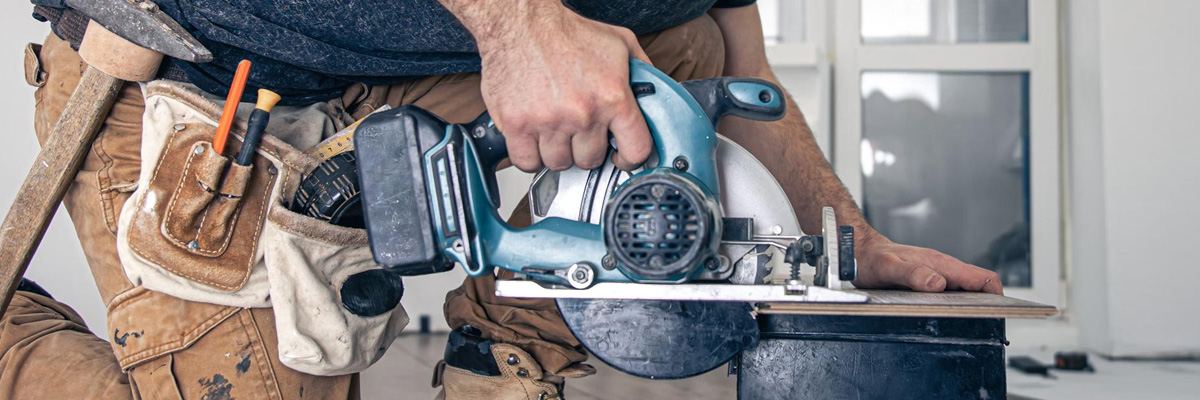
• Hand tools such as drills, grinders, and saws
• Workshop machinery like lathes, presses, and cutting machines
• Forklifts, pallet trucks, and other handling equipment
• Conveyor systems and automated production lines
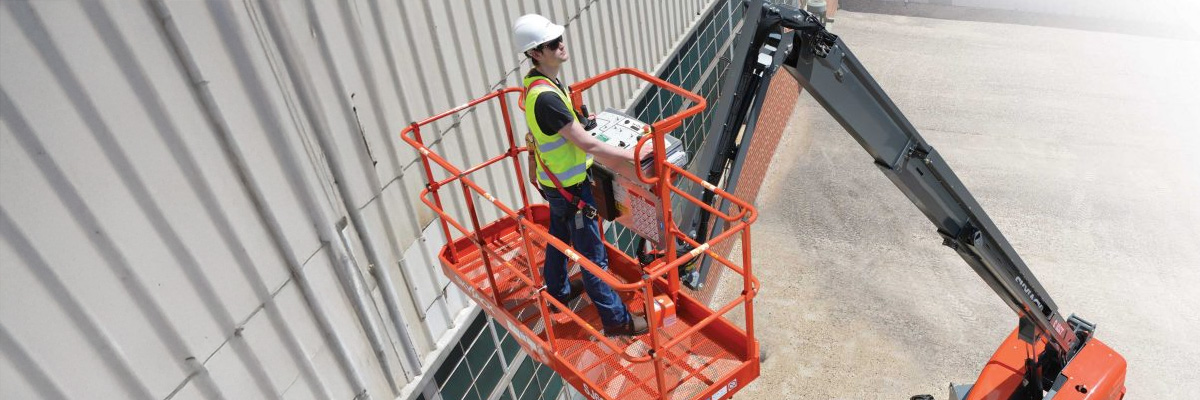
• Ladders, steps, and access equipment
• Power tools used in construction and maintenance
• Office equipment such as computers, printers, and shredders
Even low risk equipment still falls under PUWER if it is used at work.
Equipment Covered by Multiple Regulations
Some equipment falls under PUWER and other regulations at the same time. You must comply with all relevant requirements.
Examples include:
• Lifting equipment, which is also covered by LOLER
• Pressure systems, which fall under PSSR
• Equipment used with hazardous substances, linked to COSHH
Each regulation focuses on different risks, so you need a combined approach.
Your Responsibilities Under PUWER
If equipment falls under PUWER, you must ensure it remains safe from installation through to disposal.
Your responsibilities include:
• Making sure equipment is suitable for its intended use
• Keeping equipment maintained in a safe condition
• Carrying out inspections where necessary
• Ensuring dangerous parts are properly guarded
• Providing clear instructions and information
• Training employees so they can use equipment safely
When Are PUWER Inspections Required?
PUWER does not always require fixed inspection intervals like LOLER. Instead, inspections should take place when risk justifies them.
You should carry out inspections:
• After installation or relocation
• After major repairs or modifications
• At suitable intervals based on usage and risk
• When there is reason to believe equipment may be unsafe
A risk based approach ensures equipment stays safe without unnecessary disruption.
Why Understanding PUWER Scope Matters
Misunderstanding what counts as work equipment can leave gaps in your compliance process. These gaps often appear during audits, inspections, or after an incident.
When you clearly identify all equipment covered under PUWER, you can:
• Build accurate inspection schedules
• Maintain consistent safety standards
• Reduce equipment related incidents
• Demonstrate compliance to regulators and insurers
A clear understanding of PUWER scope is the foundation of effective workplace safety management.